

The Importance of Renewable Energy in Combating Climate Change
페이지 정보
작성자 Earl 작성일 26-09-28 03:10 조회 4회 댓글 0건본문
 They allow users to interact with devices using their fingers, providing a tactile experience that a mouse cannot replicate. Common gestures include tapping, swiping, pinching, and dragging. Touch gestures are perhaps the most significant cursor alternative in recent years. These gestures enable users to perform actions quickly and efficiently, making navigation seamless.
While the traditional mouse cursor has been the standard for decades, advancements in technology and user experience design have led to the emergence of various cursor alternatives that cater to different needs and preferences. In the digital landscape, the cursor serves as an essential tool for navigation and interaction. In this article, we will explore some of the best cursor alternatives available today, highlighting their features, benefits, and potential applications.
The future of renewable energy looks promising, with technological advancements and decreasing costs driving growth. Additionally, advancements in smart grid technology are enhancing energy management and efficiency. Innovations in energy storage, such as batteries and pumped hydro storage, are improving the feasibility of integrating renewable sources into the energy grid.
 Ultimately, the role of urban parks as social hubs cannot be underestimated, and efforts to maintain and improve these spaces will be essential for the health and happiness of urban communities. Future research could expand on these findings by exploring the long-term effects of park interactions on community relationships, as well as the impact of organized events on social cohesion.
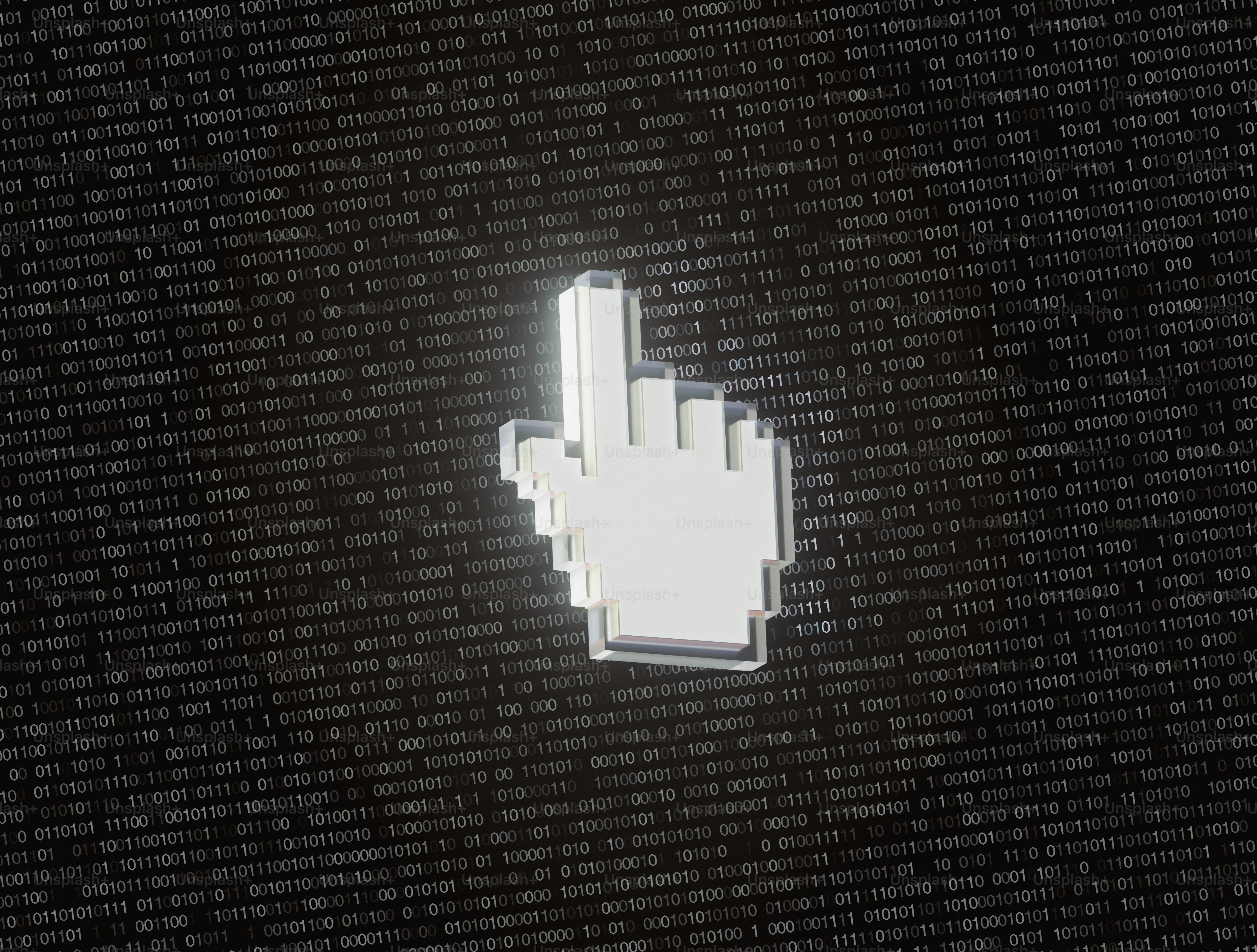 However, as technology evolves, so too do the methods of interaction. In the vast realm of digital interfaces, the cursor has long been the primary tool for interaction. Traditionally, users have relied on the mouse pointer to navigate, select, and manipulate elements on their screens. This article explores various cursor alternatives that enhance user experience, improve accessibility, and propel the future of human-computer interaction.CursorFX: Developed by Stardock, CursorFX offers a range of stylish cursor designs that can be easily applied to Windows systems. While the premium version includes advanced features, the free version provides a selection of eye-catching cursors. CursorFX also allows users to animate their cursors, adding a dynamic element to the user interface.Cursor.cc: This online platform allows users to create and customize cursors directly in their web browser. Cursor.cc is particularly appealing for those who want a quick and straightforward way to design custom cursors without downloading software. Users can select colors, shapes, and sizes, and then download their creations for use.
 Solar Energy: Harnessing energy from the sun through photovoltaic cells or solar thermal systems, solar energy is one of the most abundant and accessible renewable resources. It can be utilized for residential, commercial, and industrial purposes, significantly reducing reliance on fossil fuels.
 Friendships and Social Groups: Groups of friends were frequently observed engaging in various recreational activities, such as playing frisbee, jogging, or participating in group fitness classes. These interactions highlighted the importance of social networks in urban environments, as friends often used the park as a meeting point to strengthen their bonds and enjoy shared interests.
 This technology has profound implications for accessibility, particularly for individuals with mobility impairments. Eye tracking can enable users to interact with devices solely through their gaze, providing a new level of independence. Moreover, eye tracking can be utilized in various fields, including gaming, marketing, and research, to analyze user behavior and preferences more effectively.
 Brands like Apple Pencil and Microsoft Surface Pen have set the standard for high-quality stylus technology, providing users with a seamless experience on touchscreen devices. Styluses are particularly favored by graphic designers, artists, and note-takers, as they offer a level of control that a finger cannot match. For those who require precision in their digital interactions, stylus pens have emerged as a popular cursor alternative. Many stylus devices come equipped with pressure sensitivity, allowing for varied line thickness and shading, making them ideal for creative applications.
 The entertainment industry has embraced AI in various ways, from content creation to personalized recommendations. In film and music production, AI can assist in writing scripts, composing music, and even generating visual effects, pushing the boundaries of creativity and innovation. Streaming services like Netflix and Spotify use AI algorithms to analyze user preferences and viewing habits, delivering tailored content suggestions.
Users can execute commands, search the web, and control applications using voice commands, eliminating the need for a cursor altogether. This hands-free approach is particularly beneficial for individuals with disabilities or those who prefer a more efficient way to interact with their devices. Voice control continues to evolve, with improved natural language processing capabilities making it more user-friendly and effective. Voice control has become an increasingly popular alternative to traditional cursor navigation, especially with the rise of smart assistants like Siri, Google Assistant, and Alexa.


