

Peptide Security & Life Span
페이지 정보
작성자 Monika Wilde 작성일 26-08-21 13:16 조회 4회 댓글 0건본문
The lyophilizates in vacuum-sealed vials are adequately stable to tolerate 3-5 days at ambient temperature. Upon invoice, the item should be stored at the suggested storage temperature of -20 or -80. Particular amino acids imitate weak spots in your peptide chain.
This obvious effectiveness loss has numerous possible causes. Immediate cloudiness after reconstitution suggests precipitation from thermal shock or pH conflict. If you rushed temperature equilibration, this is the likely cause. Sadly, precipitated peptide rarely redissolves efficiently.
The calculator returns exactly how much option to draw. The threats of making use of infected product much outweigh the expense of substitute. Before each vial puncture, wipe the stopper with a fresh alcohol swab and let it dry for a couple of secs. Immediately penetrating a wet stopper reduces sanitation efficiency. They avoid direct skin call with vials and remedies while decreasing transfer of oils and bacteria from your hands.
. Basically, this turns around the freeze-drying process by including a certain solvent to the dry peptide. Proper reconstitution makes certain the peptide completely dissolves without loss of activity, so it can execute as anticipated in experiments. It is a vital step that should be done thoroughly to protect the peptide's stability and make sure regular outcomes.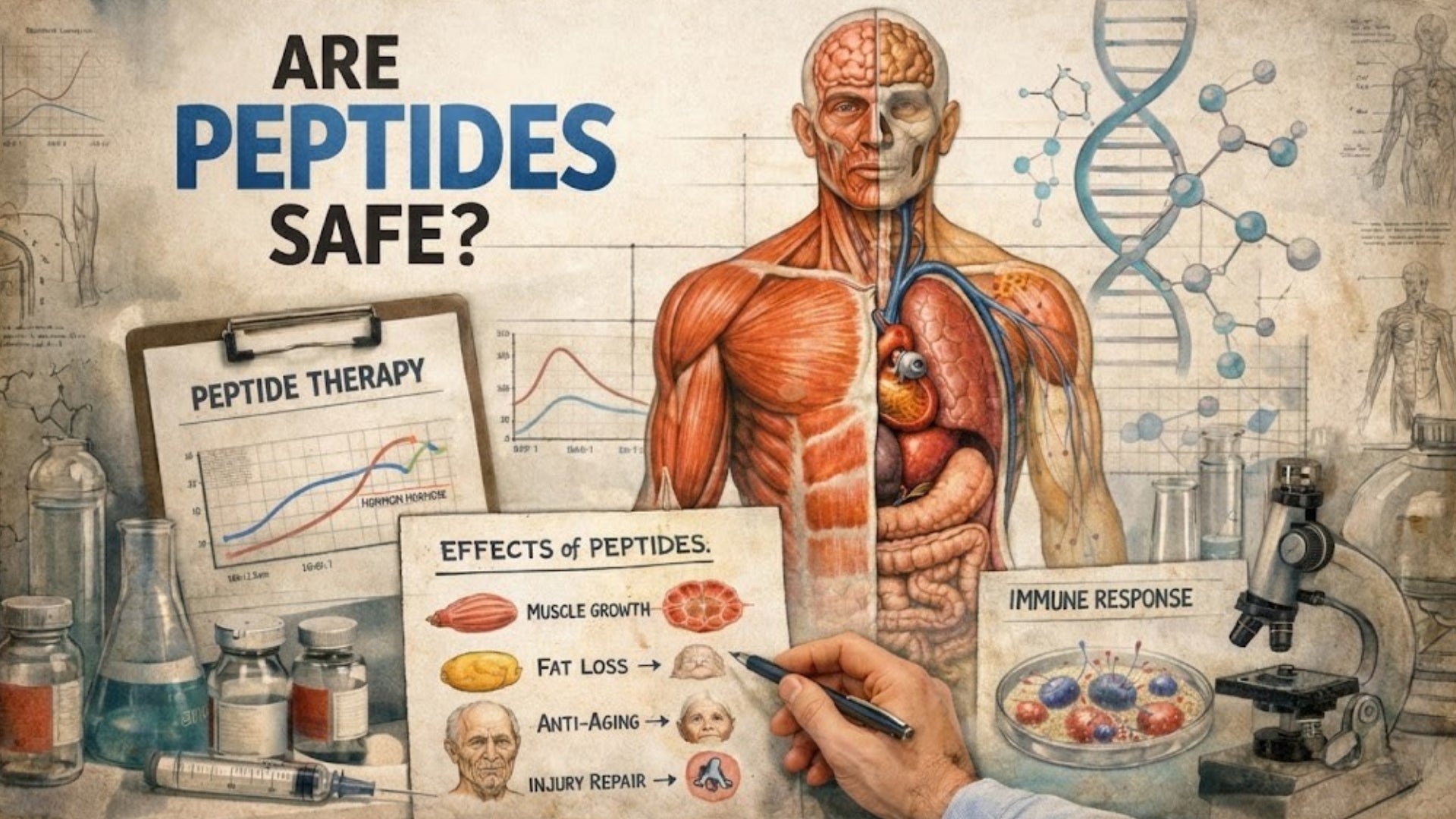 Reconstituted peptide services are typically stable for weeks to months when stored at -20 ° C or -80 ° C in an appropriate, sterilized buffer, preventing duplicated freeze-thaw cycles. The service life of recombinant peptides relies on a range of aspects, consisting of the kind of peptide, storage space conditions, and whether stabilizers or chemicals are added. Generally, recombinant peptides can stay active for weeks to months under appropriate storage conditions (e.g., cooled at 2-8 ° C)
Aβ (1-42) is soluble in hexafluoroisopropanol (HFIP), DMSO, 0.1% aqueous ammonia, 50 mM TRIS ∙ HCl, or 1 mM NaOH. Reconstitution in HFIP or DMSO takes some time whereas ammonia rapidly dissolves the peptide. The unstable solvent HFIP is generally evaporated leaving a residue of monomeric, soluble Aβ (1-42), which can be reconstituted with the chosen buffer at pH 7.4 to induce fibrillation. Aβ (1-42) remedies in DMSO or aqueous bases can be weakened straight with a functioning buffer.
These molecules are inherently delicate and can break down if subjected to suboptimal conditions. Actually, many restorative peptides need a cold-chain during storage space and transport due to their instability in warmer environments. Also as powders, peptides can undertake chemical adjustments (deamidation, oxidation, and so on) or physical gathering if revealed to warmth, humidity, or oxygen.
However, for peptides, prep work of calibrators withaccurate focus utilizing gravimetric prep work alone is typically not feasiblebecause of the limited readily available amounts and/or unsure pureness. As discussed above, AAA of pure peptide internalstandards and calibrators is important to the transferability of assays and aggregationof outcomes amongst lab. Medical research laboratories are a lot more most likely to use purifiedproteins as interior criteria and in external calibration materials. Appropriate qualitycontrol of the AAA assays utilized to appoint the focus of those proteins isequally vital. Once proteolytically absorbed, the quantification of peptides in the samplecan be easily facilitated by utilizing secure isotope-labeled peptides as internalstandards and typical LC-MS/MS methods. A lot of generally trypsin is made use of forproteolysis, leading to arginine or lysine at the C-terminus.
Return reconstituted peptides to refrigerated storage space promptly after use. Don't leave vials resting at room temperature while you take care of various other tasks. Bacterial development increases significantly at cozy temperatures. The vial itself matters greater than the majority of researchers appreciate. Conventional research vials hold 2-3 milliliters, with the 3mL borosilicate glass vial being the sector standard for peptide compounds. The size supplies adequate headspace for proper reconstitution while maintaining the powder cake available at the bottom.
Injectable peptides, such as those used for weight management, muscle mass growth, and anti-aging purposes, need proper handling and storage space to maintain their potency and efficiency. Whether you're at home or taking a trip, adhering to these standards will certainly guarantee you get the most effective arise from your method. • Improves transportation stability → sealed vials tolerate room temperature level for days/weeks. Freezing can jeopardize containers and labels and may impact the preparation. If your package consists of great packs for transportation, guarantee vials do not rest directly on frozen surfaces; maintain vials completely dry and shielded from condensation.
Reconstituted peptide stability differs, however a lot of should not be used beyond 5-- 7 days, even under refrigeration [1,2] Always get in touch with producer instructions for ideal peptide reconstitution conditions and timelines. Correct peptide storage space matters because temperature level, moisture, light direct exposure, freeze-thaw cycling, and managing uniformity can all affect stability gradually.
Sterilized Lab Handling
This obvious effectiveness loss has numerous possible causes. Immediate cloudiness after reconstitution suggests precipitation from thermal shock or pH conflict. If you rushed temperature equilibration, this is the likely cause.
Sadly, precipitated peptide rarely redissolves efficiently.The calculator returns exactly how much option to draw. The threats of making use of infected product much outweigh the expense of substitute. Before each vial puncture, wipe the stopper with a fresh alcohol swab and let it dry for a couple of secs. Immediately penetrating a wet stopper reduces sanitation efficiency. They avoid direct skin call with vials and remedies while decreasing transfer of oils and bacteria from your hands.
. Basically, this turns around the freeze-drying process by including a certain solvent to the dry peptide. Proper reconstitution makes certain the peptide completely dissolves without loss of activity, so it can execute as anticipated in experiments. It is a vital step that should be done thoroughly to protect the peptide's stability and make sure regular outcomes.
Reconstituted peptide services are typically stable for weeks to months when stored at -20 ° C or -80 ° C in an appropriate, sterilized buffer, preventing duplicated freeze-thaw cycles. The service life of recombinant peptides relies on a range of aspects, consisting of the kind of peptide, storage space conditions, and whether stabilizers or chemicals are added. Generally, recombinant peptides can stay active for weeks to months under appropriate storage conditions (e.g., cooled at 2-8 ° C)- Adding a percentage of dilute acetic acid before diluting with water frequently improves outcomes.
- Attracting 0.1 mL of this option supplies specifically 250mcg of peptide.
- Ideal peptide storage space temperature level differs by peptide kind, relevant webpage) yet a lot of benefit from storage space at-- 20 ° C or reduced for lasting preservation [1]
- Missing items or substituting inappropriate alternatives compromises everything you're trying to complete.
- Reconstituted peptide solutions are typically steady for weeks to months when saved at -20 ° C or -80 ° C in a suitable, sterilized buffer, preventing duplicated freeze-thaw cycles.
Aβ (1-42) is soluble in hexafluoroisopropanol (HFIP), DMSO, 0.1% aqueous ammonia, 50 mM TRIS ∙ HCl, or 1 mM NaOH. Reconstitution in HFIP or DMSO takes some time whereas ammonia rapidly dissolves the peptide. The unstable solvent HFIP is generally evaporated leaving a residue of monomeric, soluble Aβ (1-42), which can be reconstituted with the chosen buffer at pH 7.4 to induce fibrillation. Aβ (1-42) remedies in DMSO or aqueous bases can be weakened straight with a functioning buffer.
These molecules are inherently delicate and can break down if subjected to suboptimal conditions. Actually, many restorative peptides need a cold-chain during storage space and transport due to their instability in warmer environments. Also as powders, peptides can undertake chemical adjustments (deamidation, oxidation, and so on) or physical gathering if revealed to warmth, humidity, or oxygen.
What cancels out peptides?
Salicylic acid''s scrubing action may destabilize the peptides, diminishing their skin-repairing advantages. Recommendation: To stay clear of any type of communication, usage salicylic acid and peptide products at different times. As an example, include salicylic acid in your early morning regimen and peptides in your night regimen.
However, for peptides, prep work of calibrators withaccurate focus utilizing gravimetric prep work alone is typically not feasiblebecause of the limited readily available amounts and/or unsure pureness. As discussed above, AAA of pure peptide internalstandards and calibrators is important to the transferability of assays and aggregationof outcomes amongst lab. Medical research laboratories are a lot more most likely to use purifiedproteins as interior criteria and in external calibration materials. Appropriate qualitycontrol of the AAA assays utilized to appoint the focus of those proteins isequally vital. Once proteolytically absorbed, the quantification of peptides in the samplecan be easily facilitated by utilizing secure isotope-labeled peptides as internalstandards and typical LC-MS/MS methods. A lot of generally trypsin is made use of forproteolysis, leading to arginine or lysine at the C-terminus.
Return reconstituted peptides to refrigerated storage space promptly after use. Don't leave vials resting at room temperature while you take care of various other tasks. Bacterial development increases significantly at cozy temperatures. The vial itself matters greater than the majority of researchers appreciate. Conventional research vials hold 2-3 milliliters, with the 3mL borosilicate glass vial being the sector standard for peptide compounds. The size supplies adequate headspace for proper reconstitution while maintaining the powder cake available at the bottom.
Bacteriostatic Mixing Water 10ml
Injectable peptides, such as those used for weight management, muscle mass growth, and anti-aging purposes, need proper handling and storage space to maintain their potency and efficiency. Whether you're at home or taking a trip, adhering to these standards will certainly guarantee you get the most effective arise from your method. • Improves transportation stability → sealed vials tolerate room temperature level for days/weeks. Freezing can jeopardize containers and labels and may impact the preparation. If your package consists of great packs for transportation, guarantee vials do not rest directly on frozen surfaces; maintain vials completely dry and shielded from condensation.
Reconstituted peptide stability differs, however a lot of should not be used beyond 5-- 7 days, even under refrigeration [1,2] Always get in touch with producer instructions for ideal peptide reconstitution conditions and timelines. Correct peptide storage space matters because temperature level, moisture, light direct exposure, freeze-thaw cycling, and managing uniformity can all affect stability gradually.


