

Understanding the Local Customer Journey in Search
페이지 정보
작성자 Meri 작성일 26-09-21 07:56 조회 16회 댓글 0건본문
A local customer does not always begin with a search such as "hire plumber near me." Many journeys start with a question, symptom, product problem or general research. Commercial intent develops as the customer learns more. For local service providers, understanding this progression can reveal why different search assets matter at different stages.
The first search can be highly informational. The user is attempting to identify a problem, understand its seriousness or determine whether professional assistance is necessary.
Typical early-stage searches may contain:
Informational content can introduce a business during this stage, but aggressive sales language may be poorly matched to the user's intent. A useful article should primarily answer the question and provide a logical path toward relevant service information when professional help becomes appropriate.
Once users identify a likely solution, they begin searching differently. Their language becomes more commercial and often more specific. This is where well-structured service pages become particularly important.
At this stage, a useful service page should quickly connect three elements: online visibility the customer's problem, the relevant service and the next step available through the business.
At this point, geographic relevance becomes operational rather than theoretical. A highly relevant provider outside the customer's serviceable area is of little practical value.
Local discovery may involve:
This explains why local SEO extends beyond adding city names to pages. Search engines and customers need consistent evidence about what the company provides and where it legitimately operates.
Once multiple relevant businesses have been discovered, the search process changes again. The customer is no longer asking "Who provides this service?" but "Which of these providers should I contact?"
Comparison criteria vary by industry, but customers may examine:
After discovering a promising provider, a customer may return to Google and search directly for the business name. This behavior can be easy to overlook because the final query appears branded even though earlier non-branded searches created the discovery.
This is one reason citation management has practical value beyond SEO terminology. Conflicting addresses, organic SEO telephone numbers or hours can create uncertainty at a late and commercially important stage of the journey.
A person may ignore reviews while researching the original problem and examine them closely once only two or three providers remain. The same review profile therefore has different importance depending on the stage of the journey.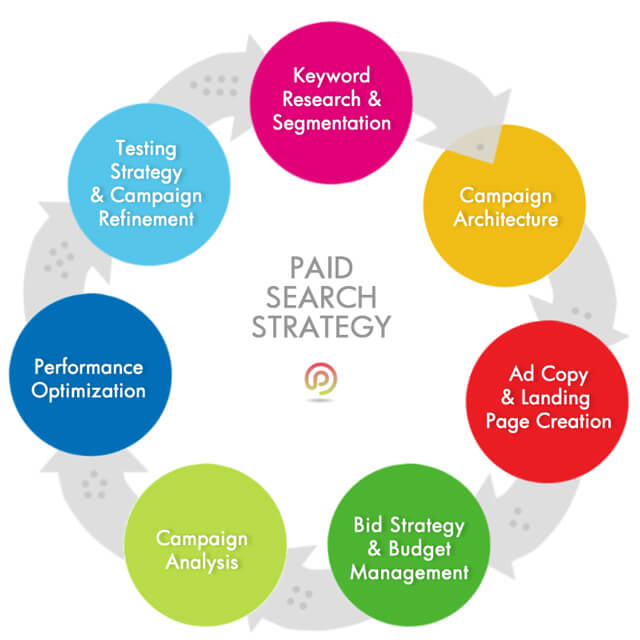
The content of reviews can provide context around communication, reliability, service processes and other customer concerns. Professional responses can also show future customers how the business handles public feedback.
At this point, the customer may already believe that the business is suitable. The remaining question is whether making contact is easy. A hidden telephone number, broken form or confusing booking process can interrupt a journey that SEO successfully created.
Before considering the journey complete, test:
A realistic local journey may involve multiple informational and online visibility commercial searches before conversion. Analytics may attribute the final session to one channel or query, but earlier interactions can still have contributed to discovery and evaluation.
Measurement should recognize these limitations. Businesses can still use conversion and attribution data, but the numbers should be interpreted within the broader customer journey rather than assumed to describe every previous interaction.
Businesses can create their own journey map by combining several information sources instead of relying on a generic funnel model.
Journey mapping can reveal unusual gaps. A website may have an excellent informational article and a strong service page but no natural connection between them. A business profile may generate clicks to a homepage that provides no clear path toward the service the customer was researching.
A digital marketing strategy can therefore improve through better sequencing as well as greater content volume. The objective is to create useful transitions between discovery, research, comparison and contact.
A local search presence is made from connected touchpoints. Different assets become important at different moments, and their combined effectiveness determines how easily a potential customer can progress from an initial problem to a business interaction.
For local businesses, the practical objective is therefore broader than achieving a particular ranking. The search journey should help the right customer discover the company, understand its relevance, verify important information, evaluate available evidence and complete the next step with minimal unnecessary friction.
Stage One: The customer searches for the problem, not the company
The first search can be highly informational. The user is attempting to identify a problem, understand its seriousness or determine whether professional assistance is necessary.
Typical early-stage searches may contain:
- descriptions of what the customer is experiencing
- basic diagnostic questions
- comparisons between possible solutions
- attempts to determine whether action is necessary
- general cost questions
Informational content can introduce a business during this stage, but aggressive sales language may be poorly matched to the user's intent. A useful article should primarily answer the question and provide a logical path toward relevant service information when professional help becomes appropriate.
Commercial intent begins to develop
Once users identify a likely solution, they begin searching differently. Their language becomes more commercial and often more specific. This is where well-structured service pages become particularly important.
At this stage, a useful service page should quickly connect three elements: online visibility the customer's problem, the relevant service and the next step available through the business.
The customer narrows the search to available providers
At this point, geographic relevance becomes operational rather than theoretical. A highly relevant provider outside the customer's serviceable area is of little practical value.
Local discovery may involve:
- organic SEO service results
- map-based search results
- business profile listings
- local directories or industry platforms
- location-specific or service-area information on company websites
This explains why local SEO extends beyond adding city names to pages. Search engines and customers need consistent evidence about what the company provides and where it legitimately operates.
The customer creates a mental shortlist
Once multiple relevant businesses have been discovered, the search process changes again. The customer is no longer asking "Who provides this service?" but "Which of these providers should I contact?"
Comparison criteria vary by industry, but customers may examine:
- service relevance
- geographic suitability
- operating information
- customer feedback
- qualifications or certifications
- visual and practical proof
- how clearly the website explains the process
Branded search can appear late in the journey
After discovering a promising provider, a customer may return to Google and search directly for the business name. This behavior can be easy to overlook because the final query appears branded even though earlier non-branded searches created the discovery.
This is one reason citation management has practical value beyond SEO terminology. Conflicting addresses, organic SEO telephone numbers or hours can create uncertainty at a late and commercially important stage of the journey.
Customer feedback can influence the shortlist
A person may ignore reviews while researching the original problem and examine them closely once only two or three providers remain. The same review profile therefore has different importance depending on the stage of the journey.
The content of reviews can provide context around communication, reliability, service processes and other customer concerns. Professional responses can also show future customers how the business handles public feedback.
The final barrier may be practical rather than informational
At this point, the customer may already believe that the business is suitable. The remaining question is whether making contact is easy. A hidden telephone number, broken form or confusing booking process can interrupt a journey that SEO successfully created.
Before considering the journey complete, test:
- mobile click-to-call functionality
- whether forms submit successfully
- whether required fields are reasonable
- appointment functionality
- expectations after contact
One customer can generate many searches
A realistic local journey may involve multiple informational and online visibility commercial searches before conversion. Analytics may attribute the final session to one channel or query, but earlier interactions can still have contributed to discovery and evaluation.
Measurement should recognize these limitations. Businesses can still use conversion and attribution data, but the numbers should be interpreted within the broader customer journey rather than assumed to describe every previous interaction.
Map the journey using real customer evidence
Businesses can create their own journey map by combining several information sources instead of relying on a generic funnel model.
- Separate search queries by informational, commercial, local and branded intent.
- Examine the landing pages associated with those searches.
- Review Google Business Profile and local business growth discovery activity.
- Ask employees which questions customers repeatedly ask before booking.
- Identify recurring decision factors in customer feedback.
- Connect calls, forms and bookings with available acquisition data.
The next improvement may be a connection, not new content
Journey mapping can reveal unusual gaps. A website may have an excellent informational article and a strong service page but no natural connection between them. A business profile may generate clicks to a homepage that provides no clear path toward the service the customer was researching.
A digital marketing strategy can therefore improve through better sequencing as well as greater content volume. The objective is to create useful transitions between discovery, research, comparison and contact.
Local SEO is a journey system, not a ranking screen
A local search presence is made from connected touchpoints. Different assets become important at different moments, and their combined effectiveness determines how easily a potential customer can progress from an initial problem to a business interaction.
For local businesses, the practical objective is therefore broader than achieving a particular ranking. The search journey should help the right customer discover the company, understand its relevance, verify important information, evaluate available evidence and complete the next step with minimal unnecessary friction.


