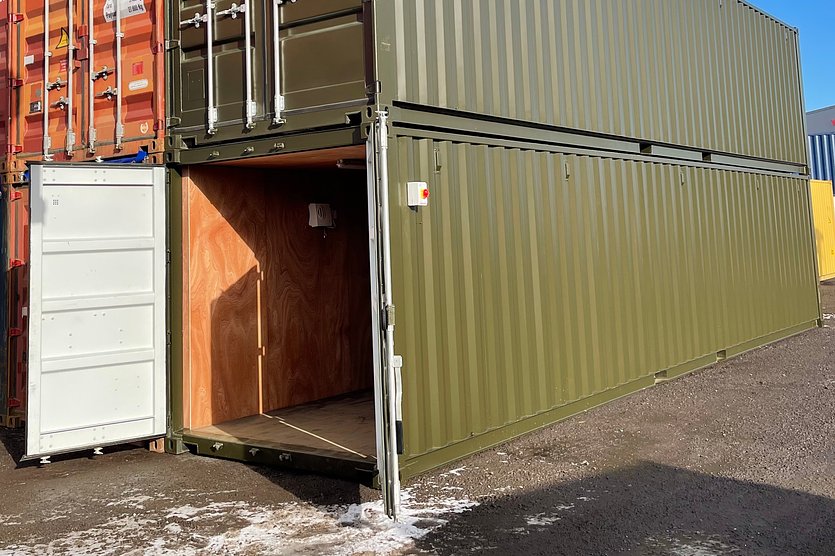
Ten Ways To Build Your Steel Shipping Containers Empire
페이지 정보
작성자 Mariana Kirch 작성일 26-07-08 16:52 조회 4회 댓글 0건본문
Steel Shipping Containers: Versatility and Utility in Modern Logistics
Steel shipping containers have transformed the landscape of transport and storage in the worldwide economy. Originally designed for the effective transport of items throughout oceans, these robust containers have evolved to serve several purposes beyond their preliminary usage. This article dives into the numerous applications, advantages, drawbacks, and regularly asked questions about steel shipping containers.
What Are Steel Shipping Containers?
Steel shipping containers, frequently referred to simply as "shipping containers," are standardized, resilient steel boxes used for the transport of goods. They can be found in various sizes, frequently 20 feet and 40 feet in length, and are manufactured to hold up against the rigors of shipping and handling.
| Container Size | Dimensions (L x W x H) | Typical Use |
|---|---|---|
| 20-foot | 20' x 8' x 8.5' | General cargo, small equipment |
| 40-foot | 40' x 8' x 8.5' | Larger cargo, bulk products |
| 40-foot High Cube | 40' x 8' x 9.5' | Oversized products, more storage area |
| 45-foot | 45' x 8' x 9.5' | Specialized products, high-value items |
The Evolution of Shipping Containers
Before the intro of steel shipping containers, goods were loaded and unloaded by hand into ships. This process was time-consuming, labor-intensive, and prone to damage. The principle of the shipping container was promoted in the 1950s by Malcolm McLean, who promoted for their standardization to improve performance in shipping.
Secret Developments:
- 1956: The first container ship, the Ideal-X, made its first trip.
- 1961: The introduction of the International Organization for Standardization (ISO) requirements for container sizes.
- 1970s-1990s: Major ports all over the world adjusted to accommodate containerized cargo.
Benefits of Steel Shipping Containers
1. Sturdiness
Steel shipping containers are designed to endure severe weather condition conditions and rough handling. Their construction materials guarantee security against rust, insects, and other external factors.
2. Security
These containers supply a safe and secure storage option for products. Their steel doors can be locked, making them a preferred option for companies needing trustworthy storage solutions.
3. Cost-Effectiveness
Buying Shipping Container Supplier containers can be more affordable than standard storage centers. They can also function as transport systems, conserving organizations on shipping expenses.
4. Versatility
Shipping containers are versatile for different applications, including:
- Storage Facilities: Used in construction websites and warehouses.
- Mobile Offices: Converted into short-term office.
- Pop-up Shops: Ideal for retail organizations needing a Portable Storage Containers storefront.
- Homes and Housing: A growing trend in modern-day architecture.
5. Eco-Friendly Option
Recycling and repurposing shipping containers adds to sustainable building practices. They divert waste from landfills and reduce the requirement for new building products.
Downsides of Steel Shipping Containers
1. Initial Cost
While they can be economical in the long term, the initial purchase price of new shipping containers can be substantial.
2. Transport Challenges
Carrying heavy containers requires specialized equipment and can incur high shipping expenses.
3. Maintenance
While long lasting, steel containers might require upkeep to prevent rust and damage, particularly if used in harsh environments.
4. Minimal Insulation
Basic shipping containers can have concerns with insulation, making them inappropriate for specific climate-sensitive goods without extra modifications.
Utilizes of Steel Shipping Containers
Steel shipping containers discover a myriad of applications across numerous sectors:
| Application | Description |
|---|---|
| Storage Solutions | Briefly or completely store products. |
| Emergency Shelters | Used in catastrophe relief and as short-term housing. |
| Mobile Workshops | Acts as a workspace for construction or repairs. |
| Retail Spaces | Ingenious solutions for pop-up stores and kiosks. |
| Agricultural Use | Shop farming equipment, tools, and produce. |
| Office Spaces | Transformed containers create effective office systems. |
Regularly Asked Questions (FAQs)
1. What size shipping container should I choose?
The size depends upon your specific requirements. For little projects, a 20-foot container is frequently sufficient, while larger operations may require a 40-foot or 45-foot container.
2. Just how much do shipping containers cost?
Prices differ widely based upon condition (new vs. Used Cargo Containers), supply and demand, and transportation expenses, but typically vary from ₤ 1,500 to ₤ 5,000.
3. Are shipping containers weatherproof?
Yes, shipping containers are designed to be weatherproof and can protect kept items from rain, wind, and snow, though extra insulation may be required for severe climates.
4. Can I customize a shipping container?
Yes, shipping containers can be Modified Shipping Containers for different purposes, consisting of adding windows, doors, and insulation. However, it is vital to seek advice from professionals for structural modifications to keep integrity.
5. What is the life-span of a steel shipping container?
With appropriate maintenance, steel shipping containers can last 25 years or more. Routine examinations for rust and structural integrity can extend their usability even further.
Steel shipping containers are more than just transportation tools; they have actually become multifaceted resources necessary for different markets. Their sturdiness, adaptability, and cost-effectiveness make them a progressively popular choice for companies looking to enhance storage, shipping, and even living areas. As more people acknowledge their prospective, the applications and developments surrounding steel shipping containers continue to broaden, paving the method for an amazing future in logistics and beyond.