

See What 40 Ft Shipping Container Sale Price Tricks The Celebs Are Uti…
페이지 정보
작성자 Tesha 작성일 26-07-12 13:54 조회 3회 댓글 0건본문
Understanding the Sale Price of 40 Ft Shipping Containers
In recent years, making use of shipping containers has actually become increasingly popular for a range of applications, from short-term storage solutions to irreversible living spaces. Among these, the 40 ft shipping container is among the most in-demand sizes due to its flexibility and sufficient space. If you're thinking about buying one, it's essential to understand the factors that affect the sale cost of a 40 ft shipping container. This guide will supply insights into rates, what impacts the expense, choices offered, and answers to often asked concerns.
Table of Contents
- Elements Affecting the Sale Price
- Average Sale Prices
- Different Types of 40 ft shipping container Sale price Ft Shipping Containers
- Buying Options
- Regularly Asked Questions (FAQs)
- Conclusion
1. Factors Affecting the Sale Price
The price of a 40 ft shipping container can vary significantly based upon several elements. Comprehending these can help prospective purchasers make notified decisions.
| Element | Description |
|---|---|
| Condition | New, used, or reconditioned containers will have different rates. |
| Type | General-purpose, high cube, refrigerated, etc, impact pricing. |
| Place | Rates can vary by region due to shipping expenses and schedule. |
| Market Demand | Fluctuations in the market can cause rates changes. |
| Modification | Extra adjustments (like insulation or windows) increase cost. |
| Supplier | Various providers might have varying pricing models. |
Condition
The condition of the shipping container is among the most considerable elements impacting its price. New containers will be more pricey, typically ranging from ₤ 5,000 to ₤ 8,000, while utilized containers can be found for as little as ₤ 2,000 to ₤ 5,000, depending on their condition and age.
Type
There are different types of 40 Ft Shipping Container Purchase Options ft shipping containers, each suited to different functions. High cube containers, which use an additional foot in height, are typically more expensive than standard containers. Refrigerated containers, developed for keeping particular temperature levels, can likewise be considerably more expensive.
Location
Geographic place plays a vital role in determining costs. For example, containers may be more affordable in coastal areas with shipping ports compared to inland areas, where transport expenses increase the final rate.
Market Demand
The shipping container market is affected by supply and demand characteristics. In times of high need, rates might surge, while throughout slow periods, discounts might be offered.
Modification
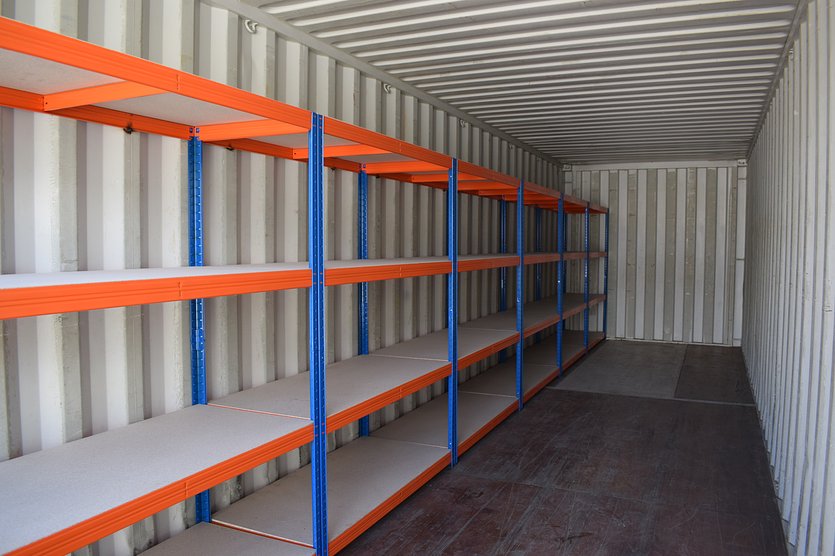
Lots of buyers choose to customize their shipping containers for specific uses, such as transforming them into workplaces or homes. Personalization can substantially increase the base cost of the container.
Provider
Different providers and producers can have varying pricing methods. Online retailers, regional suppliers, and auction websites might provide various pricing structures based upon their operational costs and target markets.
2. Typical Sale Prices
To help potential buyers understand typical cost varieties, the following table details average rates based upon container condition and type.
| Container Type | Condition | Typical Price Range |
|---|---|---|
| Basic 40 Ft Container Buy Online ft Container | New | ₤ 5,000 - ₤ 8,000 |
| Basic 40 Ft Shipping Container Price Comparison ft Container | Utilized | ₤ 2,000 - ₤ 5,000 |
| High Cube 40 ft Container | New | ₤ 6,000 - ₤ 9,000 |
| High Cube Best 40 Ft Shipping Container To Buy ft Container | Used | ₤ 3,000 - ₤ 6,000 |
| Cooled 40 ft Container | New | ₤ 10,000 - ₤ 25,000 |
| Refrigerated 40 ft Container | Used | ₤ 5,000 - ₤ 15,000 |
3. Different Types of 40 Ft Shipping Containers
Shipping containers come in various types, each serving special purposes. Comprehending these can assist buyers in making the right choice based upon their requirements.
- Standard Containers: Basic containers utilized for basic storage and transport.
- High Cube Containers: Offer additional height for more storage area, perfect for large products.
- Refrigerated Containers: Designed for carrying perishable goods, including insulation and refrigeration systems.
- Open Top Containers: Suitable for extra-large cargo, permitting filling from the top.
- Flat Rack Containers: Ideal for big equipment or items that can be packed from the sides.
4. Purchasing Options
When it concerns purchasing a 40 ft shipping container, buyers have a number of choices:
- Direct Purchase Affordable 40 Ft Shipping Container: Buying directly from manufacturers or providers makes sure quality and may provide better costs.
- Online Marketplaces: Websites like eBay, Craigslist, or specialized container sites can offer lower prices but may include threats relating to condition and warranty.
- Auctions: Government or private auctions can yield substantial cost savings but require a cautious evaluation of the containers.
- Rental Options: For those who require a container for a short time, rental contracts may be more affordable.
5. Regularly Asked Questions (FAQs)
Q1: How do I determine the condition of an utilized shipping container?
A1: Inspect the container for rust, structural integrity, and performance of doors and seals. It's likewise advisable to request for a study or examination report from the seller.
Q2: What is the common life expectancy of a shipping container?
A2: With appropriate upkeep, a shipping container can last for up to 25 years.
Q3: Can I finance a shipping container purchase?
A3: Yes, some providers provide funding choices, or you can think about individual loans for bigger purchases.
Q4: Are there options for tailoring a shipping container?
A4: Absolutely! Lots of providers use modification services, including insulation, electrical work, and more.
Q5: What are the typical uses for a 40 ft shipping container?
A5: Common usages include storage, portable workplaces, pop-up stores, homes, and even fitness center spaces.
The sale cost of a 40 ft shipping container can vary commonly based upon a number of elements, including condition, type, and personalization. Comprehending these variables can assist possible purchasers make notified decisions and find the ideal container for their requirements. Whether for storage, conversion into living space, or commercial usage, understanding the market and available choices can assist buyers navigate their buying journey effectively.


