

Exploring the Best Cursor Alternatives: Enhancing Your Digital Experie…
페이지 정보
작성자 Clair Cremor 작성일 26-10-01 13:57 조회 5회 댓글 0건본문
For users who wish to personalize their digital experience, customizable cursors offer an exciting alternative. Custom cursors can enhance visual appeal and provide a unique touch to the user interface, making digital interactions more enjoyable. Additionally, some applications allow users to create cursors that match their specific needs, such as larger cursors for better visibility or themed cursors for a fun aesthetic. Various software applications and extensions allow users to change the appearance and behavior of their cursors, from simple color changes to intricate animations.
Motion sensor technology has also made its way into the realm of cursor alternatives. Devices such as the Leap Motion Controller allow users to control the cursor through hand gestures and movements in 3D space. This technology is particularly popular in virtual reality and gaming, where immersive experiences are enhanced by natural body movements. Motion sensors can provide a more engaging and interactive experience, allowing users to manipulate digital environments in a way that feels intuitive and organic.
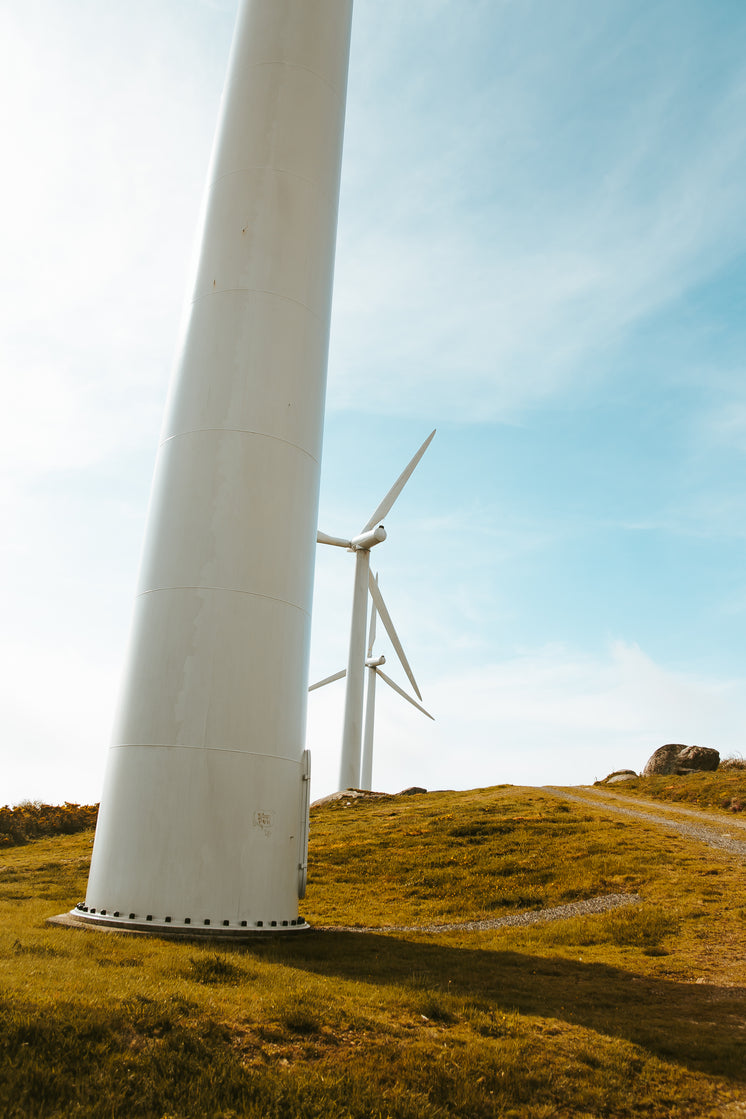 The burning of fossil fuels for energy is the largest single source of greenhouse gas emissions, accounting for over 70% of total emissions globally. Transitioning to renewable energy is essential for several reasons:
Island ecosystems are uniquely vulnerable to climate change, as rising sea levels and increased storm intensity can lead to habitat loss and increased salinity in freshwater sources. Many island species have evolved in isolation and lack the resilience to adapt to rapid environmental changes.
Eye tracking can enable users to interact with devices solely through their gaze, providing a new level of independence. Moreover, eye tracking can be utilized in various fields, including gaming, marketing, and research, to analyze user behavior and preferences more effectively. This technology has profound implications for accessibility, particularly for individuals with mobility impairments.
Soil Health and Carbon Storage: Healthy ecosystems contribute to soil health and carbon storage. This feedback loop can further exacerbate climate change. Climate change can alter soil composition and microbial activity, impacting nutrient cycling and the ability of soils to sequester carbon.
Reduction of Greenhouse Gas Emissions: By replacing fossil fuels with renewable energy sources, countries can significantly decrease their carbon footprints. This shift is crucial for meeting international climate agreements, such as the Paris Agreement, which aims to limit global temperature rise to well below 2 degrees Celsius.
 Industry-specific solutions: Watson offers tailored solutions for various sectors, enhancing its applicability. Integration with existing systems: Watson can be integrated with various enterprise systems, allowing for streamlined workflows. Strong analytics capabilities: Excellent at processing and analyzing large datasets to derive insights.
This innovation not only increases accessibility but also opens new avenues for interaction in gaming and virtual reality environments. Systems like Tobii and EyeTech have developed eye-tracking devices that can be integrated with computers, enabling users to click, scroll, and select items simply by looking at them. This technology enables users to control the cursor using their eye movements, allowing for hands-free navigation. Eye-tracking technology represents a significant advancement in cursor alternatives, particularly for individuals with mobility impairments.
As technology continues to advance, the traditional cursor is no longer the sole means of interaction in the digital landscape. Touch gestures, voice control, eye tracking, gesture recognition, haptic feedback, and brain-computer interfaces all represent innovative alternatives that enhance user experience and accessibility.
Many regions, especially developing countries, may lack the necessary financial resources and technology. Infrastructure and Investment: Transitioning to renewable energy requires significant investment in infrastructure, including energy storage solutions, grid upgrades, and distribution networks.
Trackpads and touchpads are common on laptops and some external keyboards, offering an alternative to traditional mouse cursors. The integration of haptic feedback in some advanced touchpads also adds a tactile element to the user experience. Multi-touch gestures, such as pinch-to-zoom and three-finger swipes, enhance functionality, making trackpads a versatile option for both casual users and professionals. These devices allow users to control the cursor with finger movements, providing a compact and efficient way to navigate without a mouse.
Historically, the cursor has been a simple arrow, guiding users through a graphical user interface (GUI). Touch gestures, such as swiping and pinching, have replaced the traditional mouse pointer, allowing for a more intuitive and direct interaction model. This shift has paved the way for exploring further alternatives that can cater to diverse user needs and preferences. As touchscreens became prevalent, particularly with the rise of smartphones and tablets, the need for cursor alternatives emerged.
Motion sensor technology has also made its way into the realm of cursor alternatives. Devices such as the Leap Motion Controller allow users to control the cursor through hand gestures and movements in 3D space. This technology is particularly popular in virtual reality and gaming, where immersive experiences are enhanced by natural body movements. Motion sensors can provide a more engaging and interactive experience, allowing users to manipulate digital environments in a way that feels intuitive and organic.
The burning of fossil fuels for energy is the largest single source of greenhouse gas emissions, accounting for over 70% of total emissions globally. Transitioning to renewable energy is essential for several reasons:Island ecosystems are uniquely vulnerable to climate change, as rising sea levels and increased storm intensity can lead to habitat loss and increased salinity in freshwater sources. Many island species have evolved in isolation and lack the resilience to adapt to rapid environmental changes.Eye tracking can enable users to interact with devices solely through their gaze, providing a new level of independence. Moreover, eye tracking can be utilized in various fields, including gaming, marketing, and research, to analyze user behavior and preferences more effectively. This technology has profound implications for accessibility, particularly for individuals with mobility impairments.Soil Health and Carbon Storage: Healthy ecosystems contribute to soil health and carbon storage. This feedback loop can further exacerbate climate change. Climate change can alter soil composition and microbial activity, impacting nutrient cycling and the ability of soils to sequester carbon.Reduction of Greenhouse Gas Emissions: By replacing fossil fuels with renewable energy sources, countries can significantly decrease their carbon footprints. This shift is crucial for meeting international climate agreements, such as the Paris Agreement, which aims to limit global temperature rise to well below 2 degrees Celsius.
Industry-specific solutions: Watson offers tailored solutions for various sectors, enhancing its applicability. Integration with existing systems: Watson can be integrated with various enterprise systems, allowing for streamlined workflows. Strong analytics capabilities: Excellent at processing and analyzing large datasets to derive insights.This innovation not only increases accessibility but also opens new avenues for interaction in gaming and virtual reality environments. Systems like Tobii and EyeTech have developed eye-tracking devices that can be integrated with computers, enabling users to click, scroll, and select items simply by looking at them. This technology enables users to control the cursor using their eye movements, allowing for hands-free navigation. Eye-tracking technology represents a significant advancement in cursor alternatives, particularly for individuals with mobility impairments.As technology continues to advance, the traditional cursor is no longer the sole means of interaction in the digital landscape. Touch gestures, voice control, eye tracking, gesture recognition, haptic feedback, and brain-computer interfaces all represent innovative alternatives that enhance user experience and accessibility.Many regions, especially developing countries, may lack the necessary financial resources and technology. Infrastructure and Investment: Transitioning to renewable energy requires significant investment in infrastructure, including energy storage solutions, grid upgrades, and distribution networks.Trackpads and touchpads are common on laptops and some external keyboards, offering an alternative to traditional mouse cursors. The integration of haptic feedback in some advanced touchpads also adds a tactile element to the user experience. Multi-touch gestures, such as pinch-to-zoom and three-finger swipes, enhance functionality, making trackpads a versatile option for both casual users and professionals. These devices allow users to control the cursor with finger movements, providing a compact and efficient way to navigate without a mouse.
Historically, the cursor has been a simple arrow, guiding users through a graphical user interface (GUI). Touch gestures, such as swiping and pinching, have replaced the traditional mouse pointer, allowing for a more intuitive and direct interaction model. This shift has paved the way for exploring further alternatives that can cater to diverse user needs and preferences. As touchscreens became prevalent, particularly with the rise of smartphones and tablets, the need for cursor alternatives emerged. 


